At the Benaki
It may seem strange that the Benaki Museum recently opened a temporary exhibit of agricultural tools and implements. Why should a museum renowned for its art treasures bother to exhibit something as prosaic as tools?
It may seem strange that the Benaki Museum recently opened a temporary exhibit of agricultural tools and implements. Why should a museum renowned for its art treasures bother to exhibit something as prosaic as tools?
THE GREEK equivalent for Epiphany is ‘Ta Phota’ which literally translated means ‘The Lights’.
OUR OLD friend Kyria Koula paid us an untimely visit recently as we were in the midst of moving our offices. Not phased in the least by the reigning confusion, she went about her regular routine of greeting, embracing, kissing and pinching the cheeks of our staff members.
When Greece and Ireland decided to establish diplomatic relations in 1975, and proceeded this past year to open resident embassies in the two capitals, it was, of course, not simply to provide an opportunity for the Greeks and the Irish to get better acquainted with each other. One of the main reasons for this decision was related to Greece’s endeavour to join the European Economic Community. Ireland has embassies in all EEC countries.
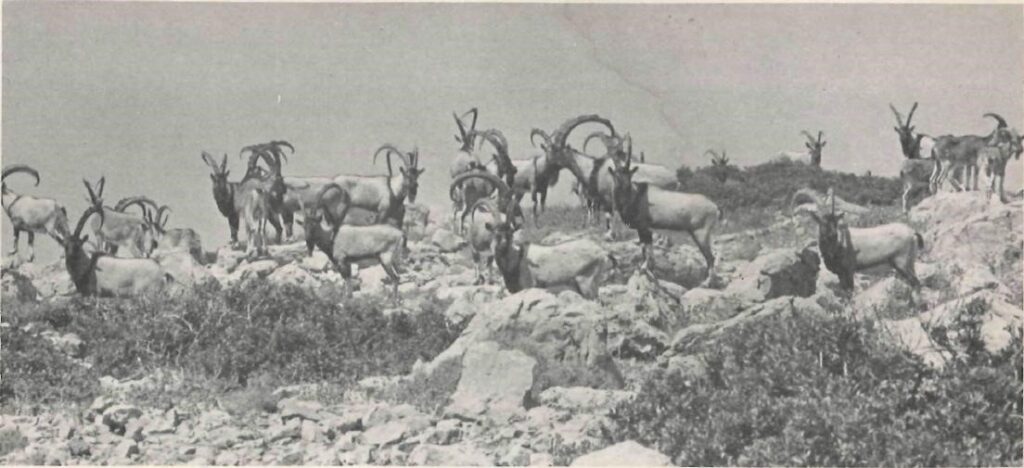
Asked to nominate a totemic animal for Crete, most people would probably vote for the bull. Or the snake. There are, after all, those suggestive snake goddesses. But there is no denying the bull’s strong claim. From the mate of Pasiphae to the partner of the leapers, in myth and art, the image has been strongly profiled. Perhaps this focus on the bull, however, says more about us, our tendency to spotlight the showy and the violent at the expense of more modest and domestic qualities. The fact is that the most representative animal for most of Crete’s inhabitants throughout its long history has been the island’s distinctive wild goat.
I WAS sorry to hear that my friend Polykarpos had died suddenly of a heart attack. He had been a pleasant fellow and a good bridge partner — that is, when some sign or omen had not prevented him from joining the game.
YOU can’t keep a good man down. Philip of Macedon’s enemies certainly tried. During his twenty-four-year reign, from 359 to 336 B.C., he was viciously attacked in the orations of Demosthenes, blinded in one eye, and paralysed in one arm and one leg.
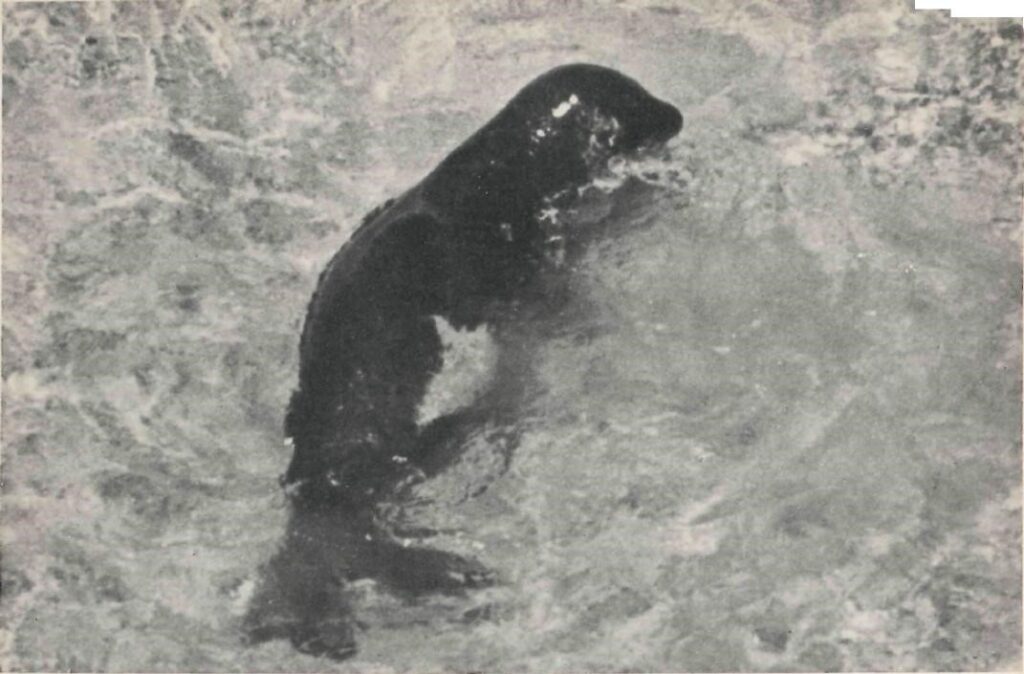
So widely scattered and retiring are the few remaining seals in Greece that few people today are aware of their existence. Yet these beautiful creatures, the Mediterranean Monk Seals, were once numerous and played a prominent role in the culture of the country.
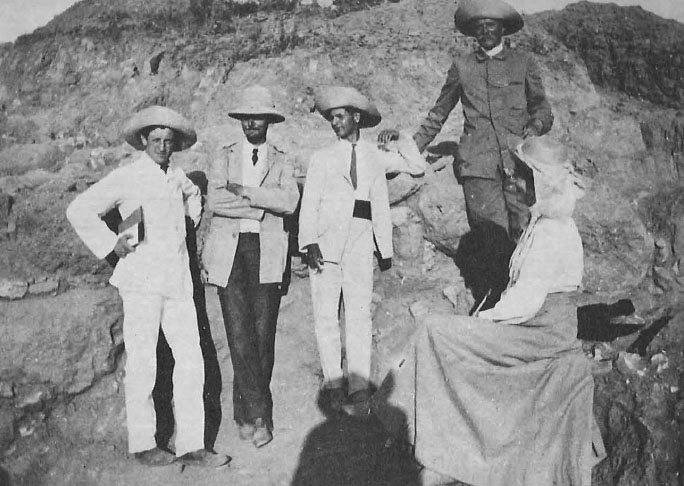
On the bustling corner of Fidiou and Harilaou Trikoupi streets in downtown Athens, in the midst of shoe shops, electrical appliance stores, book-sellers and less-than-elegant window displays, stands one of the few remaining neo-classical buildings in Athens. Somewhat weathered, its ceilings extravagantly high, its balustrades polished to a bright sheen by the hands that have grasped them, its tall windows admitting only enough light to illuminate the dark, wood-panelled walls, the gracious building is the home of the German Archaeological Institute of Athens. Built in 1897 according to designs commissioned by Heinrich Schliemann from the German architect, Ernst Ziller, to whom Athens owes some of its most beautiful, neo-classical edifices, the building once satin a vast garden which stretched all the way to Panepistimiou Street.
Vicky Moscholiou has travelled a long way from her impoverished childhood in a working class family in Egaleo to reach the forefront of the popular music world of Greece. Today she is the country’s leading singer of laiki music—a position she has maintained for over twelve years.