Operation Britannia

THE marriage of Christina Onassis to a Soviet ex-shipping functionary may have raised eyebrows in the West, but in a small committee room in the east wing of the Kremlin, three commissars raised their cham¬pagne glasses and drank a toast. They were celebrating the success of phase one of what was known as Operation Britannia.
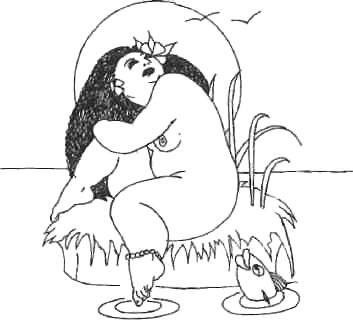
The Imperilled Legacy of Kastoria

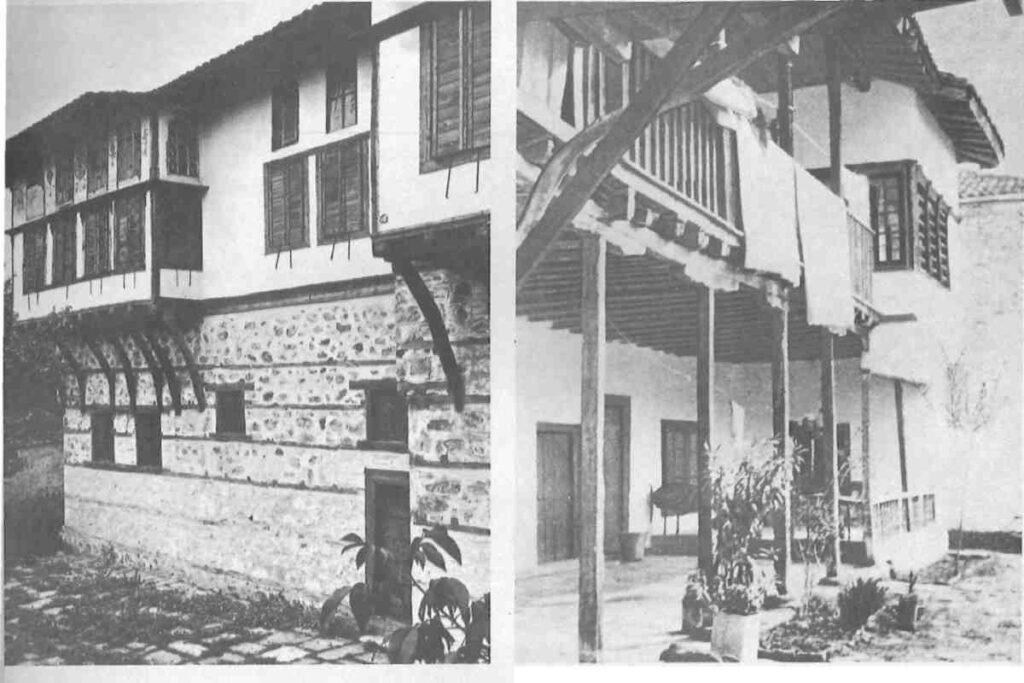
In Kastoria there are only fishermen and furriers, it used to be said. The occasional lone fisherman can still be seen today fishing from a rowboat on the lovely Lake Orestia but the lake yields very little now while the more than five-h undred-year-old fur industry is flourishing. Over the cen turies it has brough t considerable wealth to the area, and led to a rich, distinctive architecture which is being threatened by the latest prosperity.

Coming into Season

WE received a letter from Janet Kanellakis, a staunch urbanite: It’s September in Athens and if you live in the heart of the city, this is your season.

At the Benaki

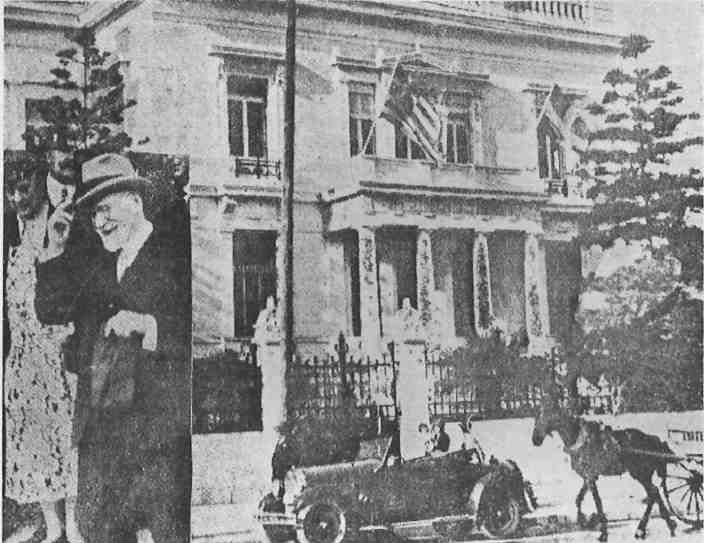
Ever since Antonios Benaki transformed his townhouse into the museum which now houses a vast eclectic collection of artifacts, from Coptic embroideries and Chinese ceramics to Byzantine treasures and Greek folk art, the Benaki Museum has played a dramatic role in the cultural life of Greece. The Museum is only part of the Benaki Saga, but a chapter that has contributed to the preservation of neglected areas of the Greek heritage. The innovative tradition established by Antonios Benaki and continued by his descendents is now entering a new phase at the Museum.

The Mint of Ancient Athens

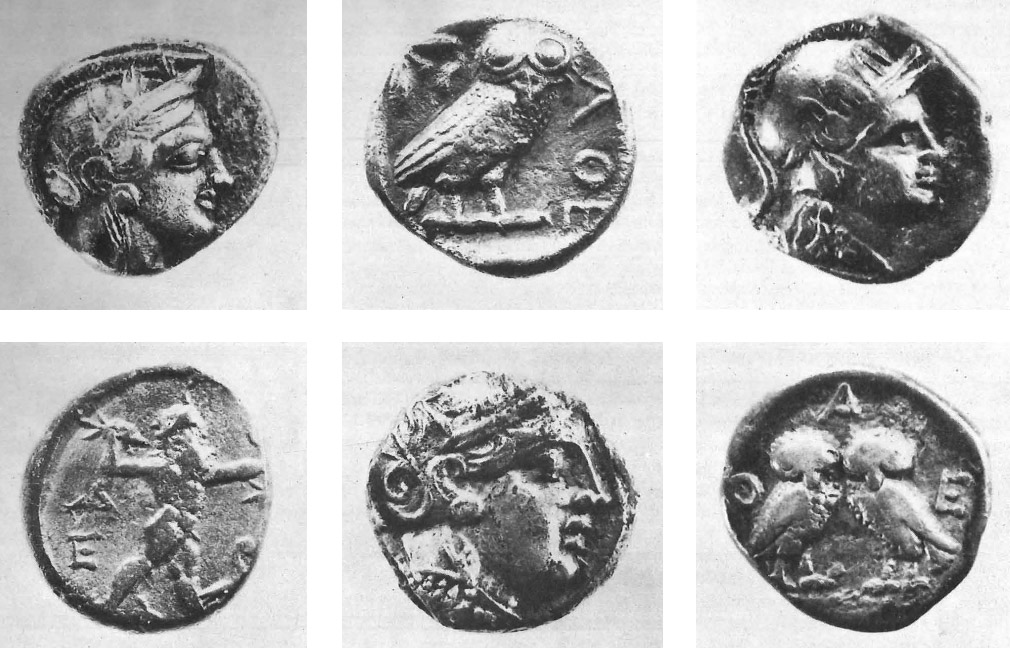
Thousands of coins have survived from antiquity, but little evidence exists about the mints which produced them. Only two mints are known, one at modern Porto Heli in the Argolid, and the other at Olbia in South Russia. Now, half a dozen workmen can be seen every day at the Agora, at the foot of the Acropolis, slowly uncovering what is believed to have been the mint of ancient Athens.

A Custom From Ancient Times

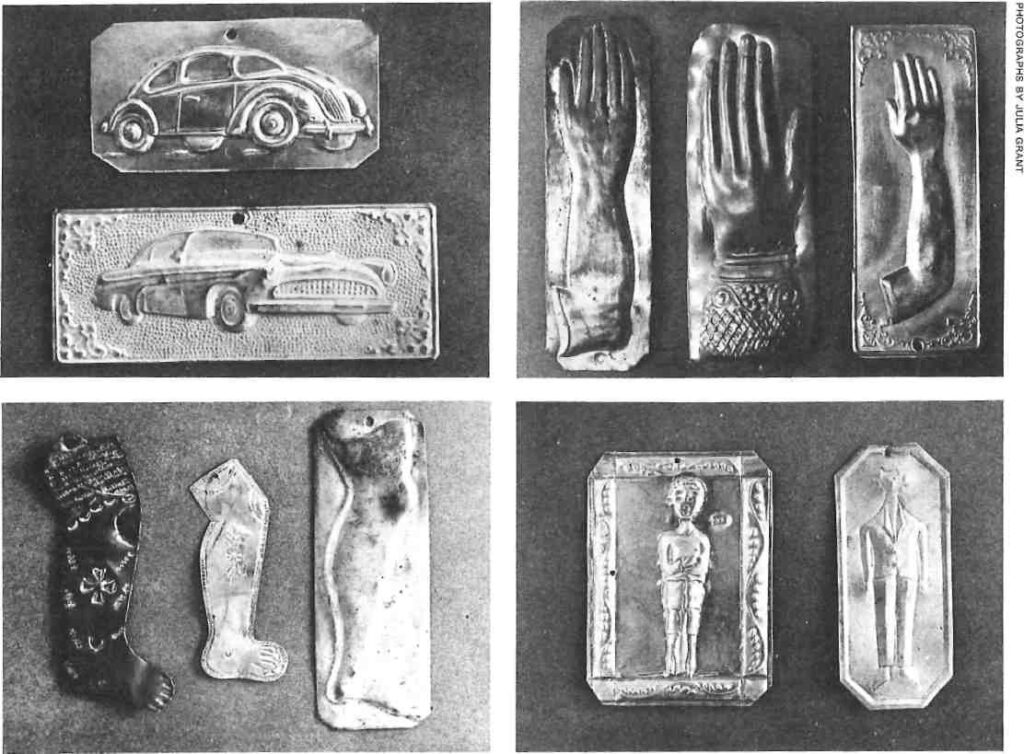
Perhaps the votive offerings most of ten encountered by visitors to Greece are the ubiquitous altars that dot the roadsides and appear in particular profusion on treacherous curves. These miniature edifices, ranging from the simple to the ornate, balanced precariously on spindly legs, usually mark a spot where an accident occurred but serious in jury or fatality was avoided. Libations of olive oil, or oil lamps to be lit on holy days, are often visible behind the tiny doors and windows of the altars. Oblations expressing gratitude, offering supplication or seeking intervention by the saints, are called “tamata” (“tama” in the singular). In recent years a particular type of tama, the small metal plaques hung on the iconostasis and icons of Orthodox churches, have become popular among collectors.

Minoan Mysteries

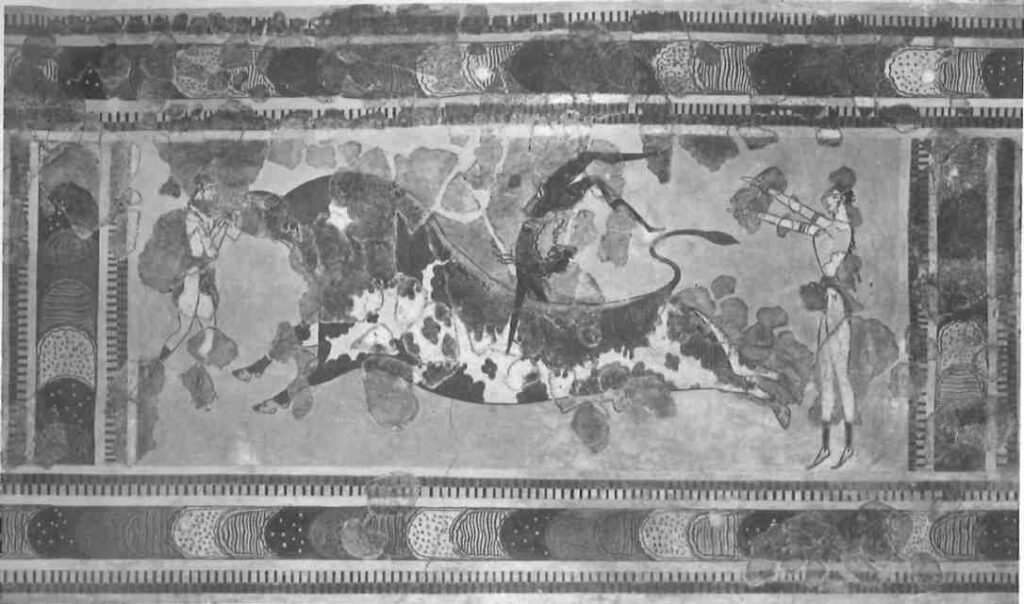
Were the startling feats of the Minoan bull-leapers fact or symbol? Was the palace of Knossos, generally believed to be the centre of a vital metropolis, a palace of death ? What is the ”draughts board” of Knossos? Will the key to the undeciphered Linear A ever be found? Or to the Phaestos disc? These and other unsolved mysteries have eluded generations of scholars and laymen alike who continue to be intrigued by the remarkable Minoan civilization which began to flourish on Crete nearly five thousand years ago.