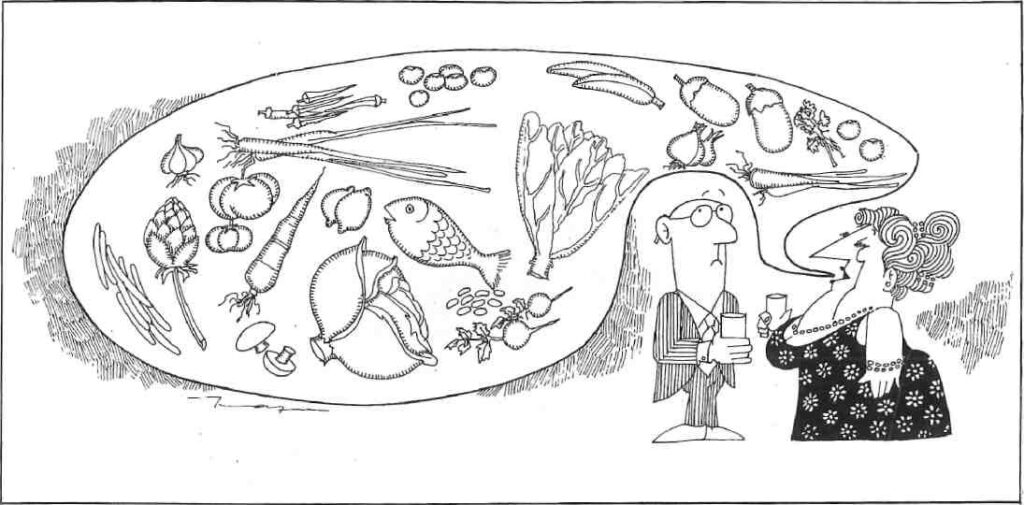
Koinagoretic Dyspepsia

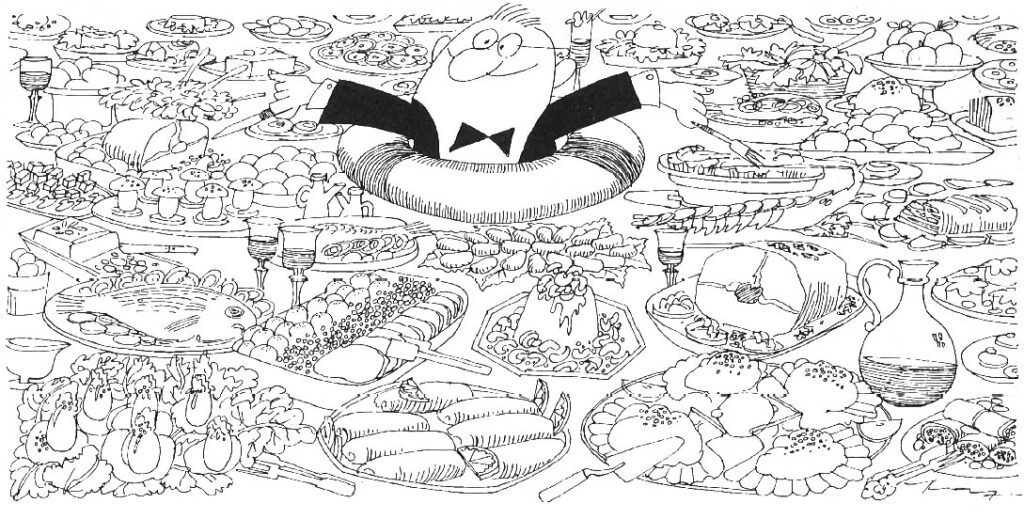
AFTER the ceremonies and celebrations of our entry into the Common Market last month and after I had recovered from the acute indigestion they brought on (my doctor diagnosed it as koinagoretic dyspepsia and said it had reached epidemic proportions in the greater Athens area), I suddenly realized that if anyone asked me what it all meant, I wouldn’t know what to say. And then I thought to myself that there must be somebody in my vast circle of friends and acquaintances who could give me a simple and succinct answer to the question:
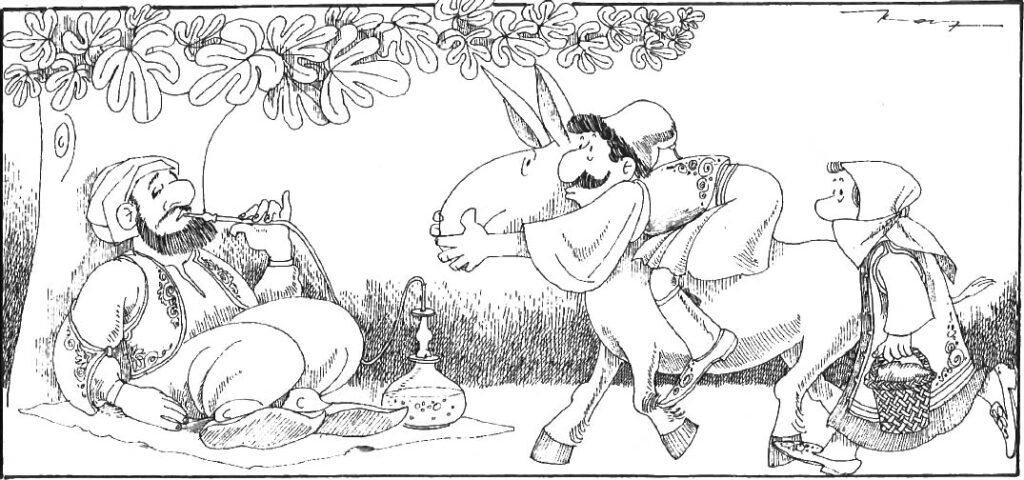

Odd Man Out

IN mid-April an item in the classified ad section of a local newspaper ran something like this: “Young, attractive, progress-oriented couple interested in Byzantine chamber music and group readings of Erotokritos with licence plates ending in an odd number, seeks relationship with similar couple with licence plates ending in an even number”.

Aegean Cruising

LAST month, on these pages, you read how the Serene Republic of Venice conducted cruises to the Holy Land as long ago as the fifteenth century and how that operation compared with the streamlined and ultra-efficient performance of cruises in our day and age.

Women in Arms

THE central military camp of Athens at Goudi has been the scene of several notable events in the past which it might be best to forget. The latest, however, which took place on January tenth, was a happy exception.

The King’s Cake

WITH the approach of the holiday season, we braced ourselves for the annual appearance of the Vasilopitta— the ceremonial sweet bread or cake, which is the traditional symbol of welcome for the New Year. Commonly referred to as the pitta (not to be confused with the ubiquitous, flaky variety containing such fillings as cheese or spinach), it makes its official debut on the first of the year when it is ritualistically cut up.

The Sephardic Jews of Salonica

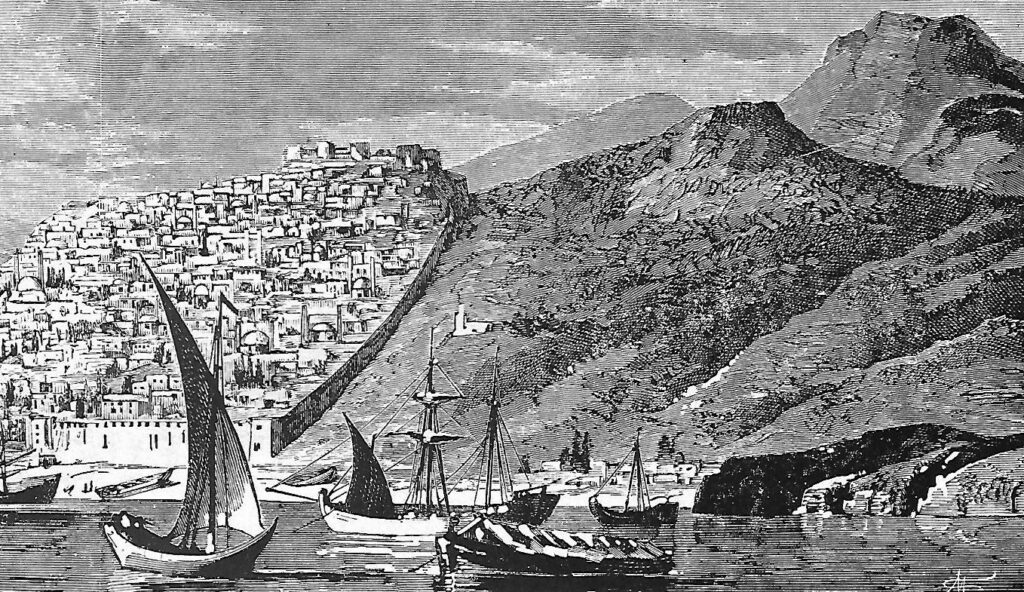
The first Jews probably arrived in Salonica during the second century B.C. By the sixteenth and seventeenth centuries they accounted for approximately one-half of the city’s population and the community had become a major cultural centre of the Jewish world. Today, less than one percent of the city’s half-million population is Jewish…

The Jewish Museum in Athens

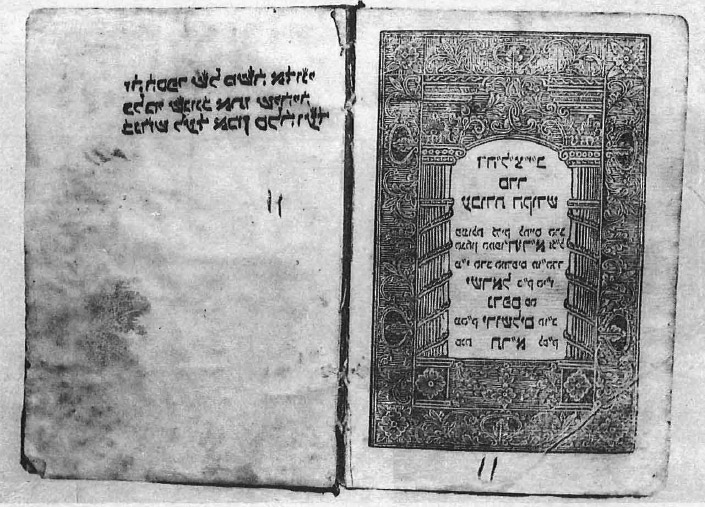
The history of Judaism is filled with descriptions of the beauty of the Temple and its vessels and ceremonial objects. Indeed, dedicating beautiful things to the “Glory of God”, whether for use in synagogues or in homes, is an essential part of the Jewish religion. As a result of the dispersal of the Jewish peoples, few of these works of art have survived, however, and comparatively little is known about this aspect of the Jewish heritage.